Thursday, April 30, 2009

Atelier Lofts

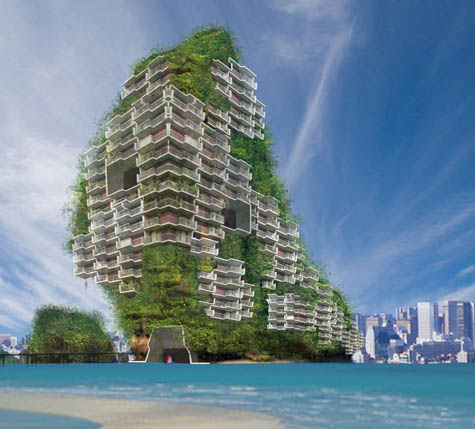
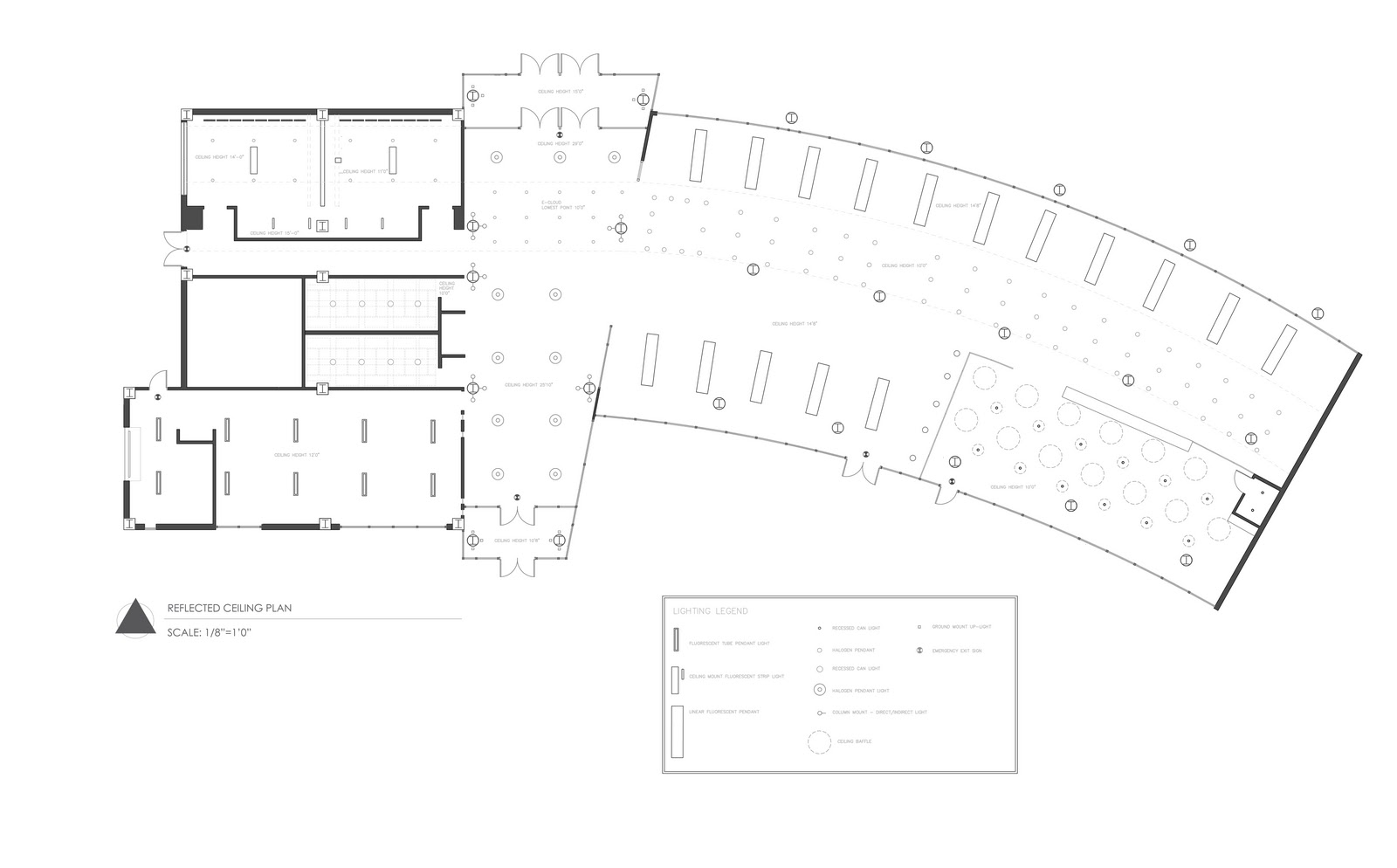
This was our final project for our second year, second semester in the the Interior Architecture department at U.N.C.G. The posts below take one from the orthographic views of the project to the perspectives and ending with some of our technical research and the FF&E.


Atelier Lofts 1st Floor (Designer)


Atelier Lofts Upstairs (Designer)


FF&E, Solar Path, Stairs, and Other Process Work

The following images contain data from our research on lighting, acoustics, stairs, barn doors, University of Oregon Solar research lab Solar Path, and the FF&E.


Tuesday, April 28, 2009

Photoshop practice


Photoshop practice


Furniture Advertisement


Urban Pathway

WPA Poster

It is my belief based upon my understanding of the facts and the situation that hurricane Katrina could have been avoided. With me being in the military I of all people know about complacency. Katrina is a great example of that. Warnings had been sent out years before and the people have now become accustomed to hearing them. However, one of the essential lessons that we learn in the military is that complacency kills, and that is exactly what happened hear. In addition to the fact that many ignored the warning, there remains the pivotal fact that the ones who should be held responsible are those who developed the city to begin with. The area is far below sea level and a majority of the area is likened to a swamp. So, it is my steadfast view that in the future we can avoid many of the most devastating natural disasters on earth by heeding the warnings and by not developing far below sea level and the 100 year a FLOOD LINE.

Tuesday, March 31, 2009

Scenes of Discourse

The images below are inspired from the words enchanted and rough texture. The images beginning at the bottom of this post are more literal; and as one progresses upward the images evolve into a more figurative and enchanting scene of discourse.


3ds Max Renderings


Friday, March 27, 2009

Lofts


Tuesday, March 24, 2009

Urban_landscape


Thursday, March 19, 2009

A Place to Bathe

The Paralympic Spa is designed for wheelchair users who compete in the Olympics here in the U.S.A. or are genreally involved in wheelchair sports. The spa allows the user to be completely independent from the confines of a wheelchair both mentally and physically through the incorporation of a handrail into the walls of the pool area. The shower incorporates an ergonomic Japanese bamboo spout and control lever to provide the user with optimum comfort. Upon entering the spa each person is provided with a wheelchair that is made from Nordic white spruce wood. This wheelchair is capable of reclining to any angle desired. This feature is primarily utilized in the sauna where one is able to recline or lie down on the same wood that is in a regular sauna.
Moving from the sauna to the shower and then into the pool is a ramp that allows the user to slowly transition into the pool. It is in this hallway where the walls are dark, the floor is the datum line, and the feeling is cave like with the water rushing down the rocks. As soon as the user hits the buoyancy point he or she is lifted from the chair and is able to grasp the handrail on the wall. The wheelchair is taken into the side storage areas shown in the plan view. The visual here is that the user goes from the cave like experience in the wheelchair into freedom where the sky opens up, the views are beautiful and expansive, and the light fills the space with its glory. From here each person is able to navigate the entire pool area without his or her wheelchair.

Saturday, March 14, 2009

FF&E

Rice paper is used in the pool area to give a nice ambient glow. The turquoise is a stone from Ann Sacks and is used on the walls in the shower room. The ebony is also used on one wall in the shower and on the floor. The nordic white spruce is used all over in the sauna. The western red cedar is used for the hot tubs as well as the entire pool area. Lastly the walls in the ramp area are made out of conrete. As a side note the windows are glazed to keep the harmful rays out and the natural light in.


Thursday, March 5, 2009

Paralympic Spa


Paralympic Spa


Paralympic Spa


Monday, February 23, 2009

ADA Standards

This is just a small example of some of the technical ADA standards for Accessible design. The Link will provide you with roughly 90 pages of information pertaining to accessible design.


www.ada.gov

Traditional Baths

Transition is a recurrent element of design that has been weaving itself through "A Place to Dine", and now our bathing project. When there is balance in our lives they seem to run much more smoothly as apposed to an absence of balance. Transition is one of the key elements in obtaining balance in our lives. When one's environment abruptly changes it is stressful and taxing causing ones health spiritually, mentally, and physically to be affected. This is why so many cultures have developed baths, spas, and places for one to be relieved from the stressors of everyday life. Below are some examples of baths that I think best represent what baths are about and what they are to accomplish.


"The universal acceptance of bathing as a central event in daily life belongs to the Roman world and it is hardly an exaggeration to say that at the height of the empire, the baths embodied the ideal Roman way of urban life. Apart from their normal hygienic functions, they provided facilities for sports and recreation. Their public nature created the proper environment—much like a city club or community center—for social intercourse varying from neighborhood gossip to business discussions. There was even a cultural and intellectual side to the baths since the truly grand establishments, the thermae, incorporated libraries, lecture halls, colonnades, and promenades and assumed a character like the Greek gymnasium".

"After exercise, bathers would have the dirt and oil scraped from their bodies with a curved metal implement called a strigil. Then the bathing proper began. Accompanied by a slave carrying their towels, oil flasks and strigils, bathers would progress at a leisurely pace through rooms of various temperature. They might start in the warm room (tepidarium), which had heated walls and floors but sometimes had no pool, and then proceed to the hot bath (caldarium), which was closest to the furnace. This room had a large tub or small pool with very hot water and a waist-high fountain (labrum) with cool water to splash on the face and neck. After this the bather might spend some time in the tepidarium again before finishing in the cold room (frigidarium) with a refreshing dip in the cold pool. Other rooms provided moist steam, dry heat like a sauna (laconicum), and massage with perfumed oils.
model of baths of Trajan

After their baths, patrons could stroll in the gardens, visit the library, watch performances of jugglers or acrobats, listen to a literary recital, or buy a snack from the many food selections."
www.vroma.org


"More than any other culture in the world, the Japanese enjoy soaking. In Japan , the term misogi means purification by water. It is an integral part of their society, utilizing Japan's thousands of natural hot springs and spas. Water cleanses, refreshes and relaxes, and it gives a sense of well being to the spirit and mind".

www.shojiretreats.com

Wednesday, February 18, 2009

Transposing Architecture and Nature

"A Place To Dine" is the title of the project that set into motion the commencement of designs that came to its pinnacle yesterday afternoon. Below is the summation of those events. The project originated by designing the dining room table. From here we were required to design the rest of the room around the concept of the table. As iterated in the title, my concept was to conceptually transpose nature and architecture, so that the interior echoed forms and materials found within nature and to evoke an overall feeling of being in nature.


Transposing Architecture and Nature


Transposing Architecture and Nature


Transposing Architecture and Nature


Tuesday, February 3, 2009

Interior Practice/note the window view


Cabin Ext./Interior


Fashion Boutique


Thursday, January 29, 2009

Manifesto


Design is a never ending process as well as a system. It evolves and Grows and its students are always learning about it.

Sunday, January 25, 2009

Computing Architectural Design

It is clear that computational aids were relevant and were indeed monumental in importance both in 5,000 B.C, and today. From the pyramids of Egypt to the development of the Burj Al Arab, computational aids have been very beneficial and crucial in aiding designers throughout the design process. However, these aids have their place, and they should not be put in a position that is more important than the fundamentals that employ them. Any aid used in design must be used to assist the foundational elements of design provided by the designer himself.

This being said, aids can be very pragmatic. There are a multitude of possibilities that they bring to the table of design. For example: computational aids can help a designer make sure that all of his or her designs are structurally sound and correct, which saves the designer and the engineer time and money by allowing him or her to focus on the design more so than the mathematics that allow the design to be possible. In addition to this computational aids can also be used to make calculations very quickly, permitting the designer to spend more time on the design process and less on the technical elements. Lastly, the designers are able to use computer aided drawings to better communicate to the client what the proposed design will look like, which in turn invites the client to become a part of the design process, resulting in a more involved and pleased client.
After having glimpsed the current and past states of computational aids, one must wonder where the aids will take us in the future. Will there be 4-D projections that one can actually walk through and interact with, or will a program exist that allows a user to verbalize and discuss ideas aloud, which are then translated into shapes, figures, lines, and gestures. These are just a few examples of where technology could take us.
Bases on my knowledge of computer aided design systems it seems that in the future, architects and designers will need to be constantly consulted when a new software is being designed for them. In the past and even today, there is software that does not meet the needs of the people that are using it. Further, needs are ever changing. Thus programmers must simultaneously adapt to these changes while predicting future needs and trends. A need that I have had personally expressed to me is the need for facilitated communication among professionals utilizing diverse machines throughout the design process. That is, professionals utilize files that should be interchangeable between the various programs to steam-line collaboration in the design process. In conclusion, computer aided design programs need to be used as aids to assist the designer. They should not take the place of the fundamentals of design or be allowed to hinder one’s original creativity. If these parameters are kept, than the world of computer-aided design can and will be a very powerful tool in the future, through all facets of design.

Monday, December 1, 2008

Decompression

In this design project we were tasked with designing a mobile relief unit that houses four hurricane relief workers. One of the major requests was that there should be a transformation of the space architecturally.

In architecture as in all other operative arts, the end must direct the operation. The end is to build well. Well- building hath three conditions: commoditie, firmeness, and delight. Sir Henry Wotten, The Elements of Architecture 1624. This quote still stands true today.

Implicit in the word “design” is the idea of creating an object or space for others to use and appreciate. Using this line of thought, I embarked on a mission to design with the relief workers in mind. As a result I found that the workers encounter and endure a lot mental, physical, and emotional stress from seeing and experiencing people who have been devastated by a natural disaster.
This brings us to my concept decompression. Decompression can imply the relief of compressing factors, such as mental, physical and spiritual stressors, the taking of an object, space, or person and expanding it to a larger size and to calm one down and relax, literally or figuratively. Using this concept the space is designed to psychologically, physically and spiritually decompress the relief workers, and it accomplishes this by allowing the user to gradually transition from the compressing factors of the outside environment to the more decompressed environment of the interior. To architecturally accomplish this gradual transition, I designed the entrance to evoke a more compressed feeling by having a small entrance and hallway where the more pragmatic spaces are located, (such as the bathrooms and the driver seat) in the front, and the more private comforting spaces (such as the living and bedroom) in the rear.

As the workers move from the hallway, the relief unit literally decompresses through a series of expanding panels, which make up the side walls of the bus. It is here where the three stressors of compression are met.


Wednesday, October 29, 2008

Fashion Ilustration

The picture on the left is one that I will be using for inspiration and am aspiring to produce drawings equivalent to this.

The picture on the right is the first of a series of fashion sketches that I am embarking on to enhance my sketching and illustrating skills. In addition to the good practice, I have am also doing these drawings for a project that I have in my Consumer Apparel class.

West Side Story

In Design History we are reviewing the modernist movement in America specifically during the 1960's. As a result we watched the west side story which was based during the 1960's and we critically analyzed how the movie has incorporated design through lighting, choreography, color, music tonality, lyrics, and many other elements.

More Chair Cards


Chair Cards

These are chair cards that I have been required to draw for my history of Design class. I have learned a great deal about shading and drawing chairs since this project began and here is some of my work from that process.

Shelter/Bus Inspiration

Below are some pictures of a truck and a R.V. that has utilized some interesting design principles that cater specifically to the needs of the user. They are also in a utilitarian kind of way aesthetically pleasing. This is the link to the website that I received the pictures from.

http://www.newmarcorp.com/models/luxury/Dutch%20Aire/56


Thursday, October 23, 2008

rendering practice

lamp

Value Study

Friday, October 17, 2008

LC4 Pony Chaise by Corbusier

Artifact Relocation


The library table was designed by the Herter Brothers who were German Born but opened up a successful cabinetmaking and decorating firm in the late nineteenth century. They formed their firm during a period in history when the wealthy were changing what it meant to live luxuriously. It was during this time that their famous library table was made for a gentleman by the name of William Henry Vanderbilt. Her first designed his fifth avenue mansion from 1879 to 1882 and then the library table to which would be centered in the library. Aesthetically this table contributed to the overall look, and it complimented the paneling through its use of rosewood with lavish mother of pearl and brass inlay (The Metropolitan Museum of Art 1). Furthermore, this table served more as a symbol than for pragmatism. It was an august library table that implied Mr. Vanderbilt was powerful and highly esteemed, as he was the richest man in America at that time. Not only did this table allude to Mr. Vanderbilt’s power but also the details contained within the table bring out the respect and power from the Roman Empire as Napoleanic Heraldry. It is even said, that the globes on each end imply that Vanderbilt had the world within his grasp; and the table top presents a celestial field with the stars over the northern hemisphere on the day Vanderbilt was born, May 8, 1821 (Metropolitan Museum of Art 2).
The library table, because of the power it references from the past and that it uses that power to affect the viewers today, it has been chosen to be relocated into a world renown politicians office. The designer Jayson Parker specifically designed the room the table is placed in, around the library table. As a result, the room is longer than it is wide, the door is centered on the table, and when people enter the room their vision is immediately directed to the table. It draws the eye and shows the importance the owner places on antiquity, alluding to the past, power and self. In addition to the shape of the room there are lights on each side of the table and above it to further draw out the singular importance and power it bestows upon the owner. This also enhances its hierarchical importance within the room. It is as if a divine power placed this table in the suns rays to fulfill its purpose in life.
With a piece this magnificent, we would expect nothing less superb from subsequent works. The crafter of this table, the Herter Brothers, do not disappoint with a later work- a writer’s desk. There are two writers desk in this room placed on each side of the rug in the center of the room. They were primarily chosen to bring balance to the room, to offer similar materials and finishes and to add to show how magnificent the works of the Herter brothers are.